
The second half of 2026 marks an exciting evolution in bridal fashion. Rather than following one dominant aesthetic, modern brides are increasingly looking for wedding gowns that reflect their personalities, lifestyles, and individual stories.
The idea of luxury is also changing. A beautiful bridal gown is no longer defined only by dramatic embellishment or an elaborate silhouette. Instead, craftsmanship, thoughtful construction, refined fabrics, versatility, and meaningful details are becoming increasingly important.
From sculptural minimalist gowns to romantic lace, convertible designs, subtle color palettes, and carefully chosen accessories, bridal fashion for late 2026 celebrates a balance between timeless elegance and personal expression.
1. Minimalism with Thoughtful Details
Minimalist bridal fashion continues to play an important role in 2026, but simplicity no longer means plain.
The new minimalist wedding gown focuses on beautiful proportions, precise construction, luxurious fabrics, and carefully considered details. Clean silhouettes in satin, mikado, silk, or structured crepe create an elegant foundation, while architectural draping, sculptural folds, asymmetric pleats, corset seams, and refined tailoring bring depth to the design.
A strapless corset gown with a perfectly shaped bodice, for example, may appear simple from a distance. Up close, however, its beauty comes from the precision of the internal structure, the curve of the neckline, the placement of the seams, and the way the skirt falls around the body.
This type of understated luxury is especially attractive to brides who want a sophisticated wedding look that will remain beautiful in photographs for many years.
The philosophy is simple: fewer decorative elements, but every element must be beautifully executed.
2. The Return of Romantic Classics
Alongside minimalism, romantic bridal design is returning with a softer and more contemporary interpretation.
Delicate lace, transparent tulle, floral appliqué, graceful sleeves, corsetry, and softly flowing skirts are once again becoming important elements of modern bridal collections.
However, the romantic bride of 2026 is different from the traditional princess bride.
Instead of covering an entire gown with heavy lace, designers can use lace selectively to highlight certain areas of the body. A sheer lace back may contrast with a clean satin skirt, while floral appliqué can gradually emerge from the corset and disappear into layers of soft tulle.
Classic bridal techniques are therefore being reinterpreted with greater restraint.
Corset-inspired bodices also continue to influence bridal design. Visible construction lines, elongated waistlines, softly curved necklines, and carefully shaped cups help create a beautifully balanced silhouette.
The result feels feminine and romantic without appearing overly decorative.
3. Convertible Wedding Dresses and the Rise of the “Two-in-One” Look
Versatility is becoming one of the most practical and creative directions in modern bridal fashion.
Many brides today want different looks for different moments of their wedding day. A dramatic gown may be perfect for walking down the aisle, while a lighter and more fitted silhouette may feel more comfortable during the reception.
Instead of purchasing completely separate dresses, convertible bridal designs offer another solution.
Detachable overskirts, removable sleeves, capes, bows, trains, gloves, and interchangeable accessories can transform one dress into multiple looks.
For example, a fitted corset gown can be paired with a voluminous detachable overskirt for the ceremony. Afterward, the overskirt can be removed to reveal a sleek evening silhouette underneath.
This concept allows a bride to move from ceremony to reception while maintaining one consistent design identity.
Convertible designs also give designers more opportunities to demonstrate technical craftsmanship. Each removable element must integrate naturally with the original garment while remaining secure, comfortable, and visually refined.
4. A Greater Focus on Responsible Materials
Material selection is becoming increasingly thoughtful within contemporary bridal fashion.
Brides are paying more attention not only to how a fabric looks, but also to its quality, origin, durability, and potential environmental impact.
Organic silk, recycled satin, responsibly sourced fabrics, recycled lace, deadstock materials, and carefully produced textiles are gradually becoming part of the conversation surrounding modern luxury.
This does not mean sacrificing beauty.
In fact, sustainable thinking can encourage designers to place greater emphasis on fabric quality and craftsmanship. A beautifully constructed gown made from an exceptional material can feel more luxurious than a heavily decorated design made with lower-quality textiles.
Another direction is longevity.
Some brides are choosing gowns or individual bridal pieces that can later be altered, restyled, or worn again after the wedding. Detachable corsets, separate skirts, silk dresses, tailored jackets, and refined evening pieces can extend the life of a bridal wardrobe beyond a single day.
For the modern bride, luxury can therefore mean owning something beautifully made, meaningful, and designed to last.
5. Ivory, Champagne and Softly Tinted Bridal Colors
Pure white will always remain an important bridal color, but the palette for the second half of 2026 is becoming warmer and more nuanced.
Ivory continues to dominate because of its softness and ability to complement a wide range of skin tones.
Champagne and nude beige introduce warmth and create a sophisticated base for lace, embroidery, pearls, rhinestones, or crystal embellishment.
Soft blush provides a subtle romantic alternative to traditional white, while muted shades such as sage or pale lavender can appear as delicate accents for brides who want something more distinctive.
These colors do not necessarily need to cover the entire gown.
A nude lining beneath ivory lace can create beautiful dimensionality. Blush tulle may be layered beneath ivory fabric to produce an almost imperceptible warmth. Champagne can also be used underneath crystal embellishment to create a softer evening glow.
The overall direction remains elegant and subtle rather than overly colorful.
6. Minimal Accessories with Maximum Impact
Bridal accessories in 2026 are becoming more intentional.
Instead of combining many decorative elements in one look, brides are increasingly choosing one or two strong accessories that complement the architecture of the gown.
A long cathedral veil can transform a minimalist corset dress into a dramatic ceremony look. Tiny pearls, crystals, or rhinestones scattered across transparent tulle can create a delicate sparkling effect without overwhelming the dress.
Oversized satin bows can become sculptural details at the back of a gown.
Long sheer gloves can add a sophisticated vintage influence.
A detachable cape can provide dramatic movement while preserving the clean neckline of the dress underneath.
The most successful bridal accessories are those that feel connected to the gown rather than added afterward.
The objective is not simply decoration. It is to create one harmonious visual story from head to toe.
7. Personalization Becomes the Ultimate Luxury
Perhaps the most important bridal direction for the second half of 2026 is personalization.
Modern brides are increasingly comfortable moving beyond traditional formulas and creating wedding looks that genuinely reflect who they are.
Personalization can be subtle.
A bride may choose embroidery representing an important flower, a meaningful date hidden inside the gown, a custom veil, a specific lace pattern, or a silhouette developed according to her individual proportions.
It can also be more visible.
Custom corsetry, detachable elements, dramatic bows, unconventional fabrics, personalized crystal arrangements, unique sleeve designs, or specially developed colors can make a gown truly distinctive.
Made-to-measure bridal design is especially relevant to this movement because the garment can be developed around the bride rather than requiring the bride to adapt herself to an existing design.
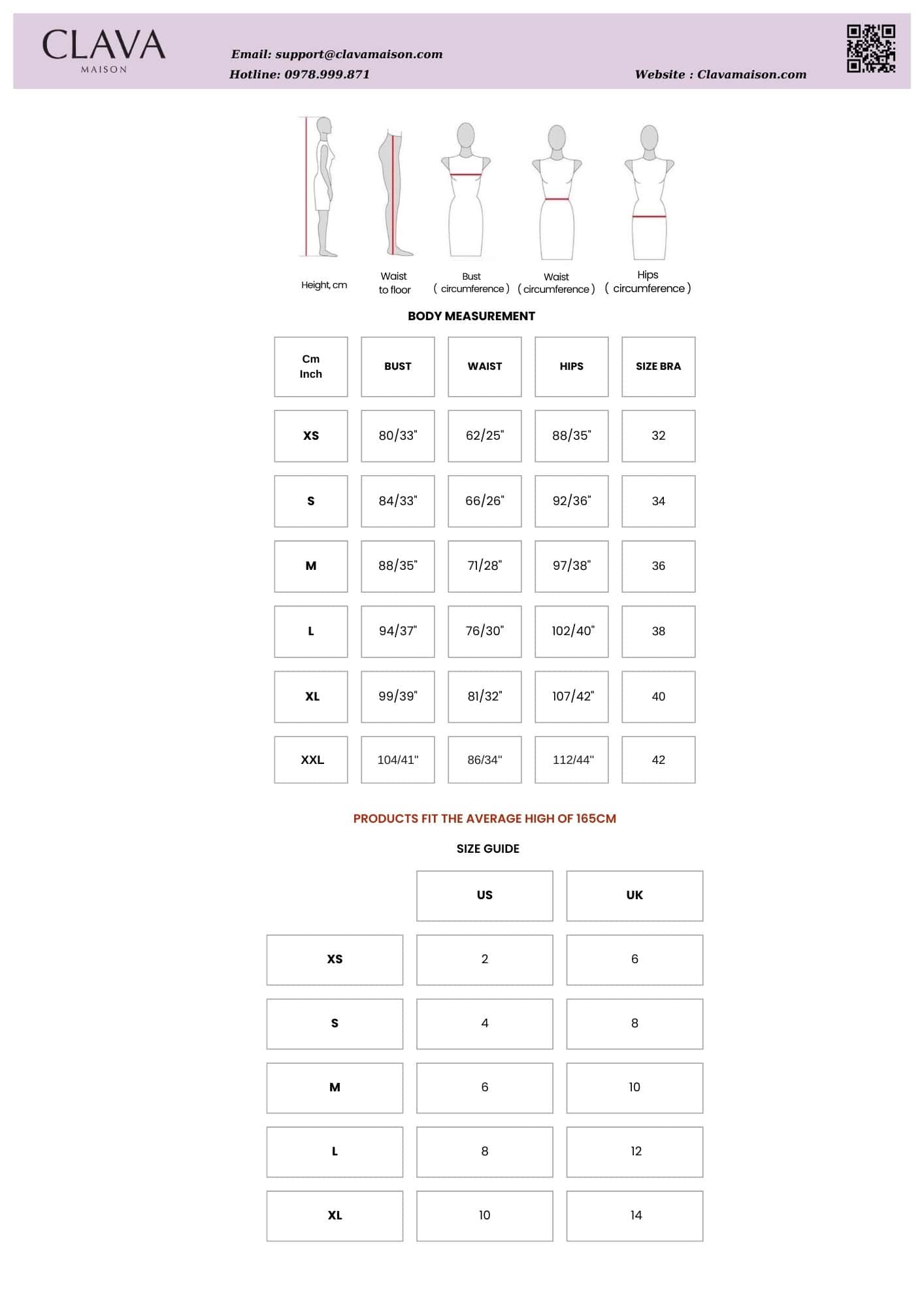
Measurements, proportions, bust shape, waist placement, desired coverage, heel height, movement, comfort, and personal preferences can all influence the final construction.
This level of customization transforms a wedding gown from a beautiful garment into something much more personal.
Conclusion
The bridal landscape of late 2026 is defined less by one specific silhouette and more by a philosophy: refinement, individuality, versatility, and craftsmanship.
Minimalist gowns remain relevant, but they are becoming more architectural and technically sophisticated. Romantic lace is returning with a lighter and more contemporary character. Convertible designs allow brides to create several looks within one wedding day. Thoughtful fabrics and responsible production are becoming more meaningful, while ivory, champagne, blush, and other delicate shades expand the traditional bridal palette.
Accessories are becoming more intentional, and custom details allow every bride to create a look that belongs uniquely to her.
Ultimately, the most modern wedding dress is not simply the dress that follows the latest trend.
It is the dress that makes the bride feel confident, elegant, comfortable, and completely herself on one of the most meaningful days of her life.